
McKechnie loses final legal bid to eat Vegemite in Victorian prisons
The Supreme Court ruled on Monday that the spread's exclusion does not violate the prisoner's human rights or cultural practices.
By Rebecca Lewis ·
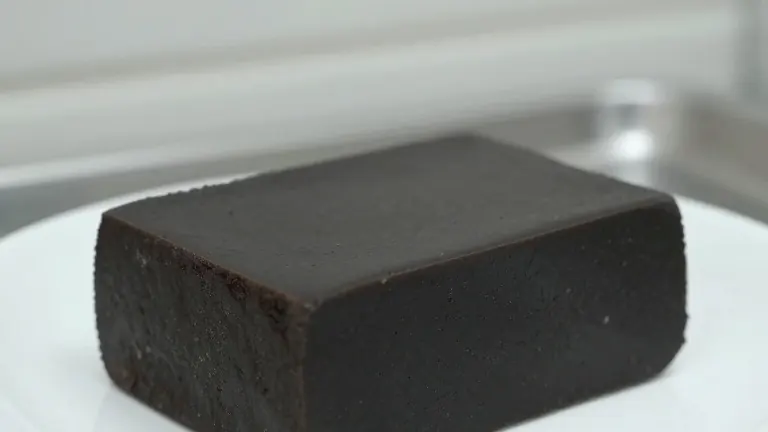
Andre McKechnie, a man serving a life sentence for murder, lost his legal challenge to eat Vegemite in prison on Monday. The Victorian Supreme Court dismissed his claim that banning the yeast-based spread violated his human rights.
McKechnie sued Victoria’s corrections department after officers refused to let him consume the condiment. He argued that the refusal prevented him from practicing his Australian culture. “Without being able to consume Vegemite, I feel deprived of being able to practise my Australian culture, sad and disconnected from my family and community,” he told the court.
Prison authorities in Victoria have barred the spread since 2006. Officials cited concerns that the product interfered with narcotic detection dogs. They also noted that its yeast content allowed it to be used to brew alcohol. The Corrections Act and the human rights charter do not explicitly list a right to consume specific foods.
Justice Claire Harris ruled that the ban was a proportionate measure. She acknowledged that Vegemite is part of Australian culture and that the human rights charter extends to certain foods. However, she found the restriction justified by the need for prison management, security, and good order. “The specific refusal to permit Mr McKechnie to have access to Vegemite … is reasonable and demonstrably justified,” Justice Harris said.
McKechnie was found guilty of stabbing property developer Otto Kuhne to death in Queensland more than 30 years ago. He received a life sentence and was transferred to a Victorian prison ten years into that term. The ruling confirms that corrections officers in the state can continue to deny the product to inmates.
The legal defeat follows a 2013 acquisition of the Vegemite brand by Bega from Kraft. The spread remains a breakfast staple in many Australian households despite its polarizing taste. While Victoria maintains the ban, New South Wales allows it in its correctional centers. Queensland, South Australia, and Tasmania also prohibit the product in their prisons.
Source: The Guardian