Maysan council hit with probe after Iran border roadblocks
Prime Minister Ali Al-Zaidi ordered an inquiry into the provincial council following a threat to isolate the region if the al-Shib crossing with Iran remains closed.
By Rebecca Lewis ·
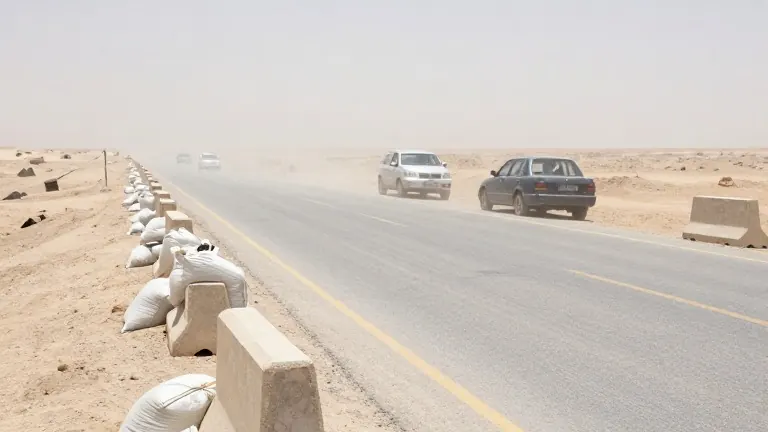
Drivers in Maysan province now face a government probe of their local council after a three-day deadline for reopening a key trade route with Iran passed without resolution. The conflict centers on the al-Shib border crossing, which authorities shut down last week.
Prime Minister Ali Al-Zaidi ordered the investigation on Monday. The move followed a public warning from Mustafa Da'ir, the Maysan Provincial Council chairman. Da'ir threatened to sever the province from the rest of the country through civil disobedience if Baghdad did not act quickly.
Officials provided two distinct reasons for the initial closure. An Iraqi official told Reuters on Wednesday that the shutdown was necessary to upgrade security and detection equipment at the site. In contrast, Salwan Taha Akreyi, a lawmaker from the Kurdistan Democratic Party, stated to Kurdistan24 that Washington requested the closure to limit transit to Iran and block Tehran from strengthening its militias in Iraq.
Protesters in the region have already acted on the dispute. Asharq Al-Awsat reported that dozens of demonstrators blocked roads leading to regional oil companies to oppose the closure. The Badr bloc, a Shiite Islamist group, rejected the prime minister's order for an inquiry. Shafaq News reported that the group argued the closure harms the local economy and warned that a prolonged standoff could damage relations between Baghdad and the province.
Badr also urged the government to target alleged smuggling through unofficial crossings in the Kurdistan region. The timing of the dispute coincides with the blockade of the Strait of Hormuz, which has increased Iran's reliance on land routes through Iraq and Pakistan. Tehran has condemned the al-Shib closure and rejected claims that the crossing was used to traffic drugs and counterfeit currency.
Source: The Jerusalem Post