Kurtistown Beetle Alert: Rhinoceros Species Found in Trap
Biosecurity officers are establishing a one-mile search perimeter after a live male coconut rhinoceros beetle was detected in a trap on Hawaii Island.
By Rebecca Lewis ·
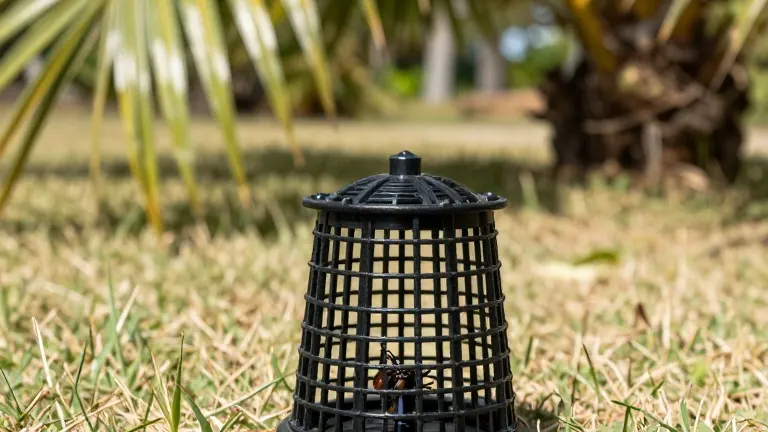
Hawaii's agricultural officials issued a public alert on November 14 after a live male coconut rhinoceros beetle was caught in a trap in the Kurtistown area of Hawaii Island. The discovery triggers an immediate response by the Department of Agriculture and Biosecurity to contain the spread of the invasive pest.
Biosecurity officers are setting up a one-mile perimeter around the detection site to search for additional beetles and potential breeding grounds. The department has notified partner agencies and plans to install additional traps in the specific area where the initial specimen was found. This localized effort aims to prevent the insect from establishing a permanent population in the region.
The coconut rhinoceros beetle, or CRB, is a known threat to palm trees, particularly coconut palms. Adult beetles bore into the crowns of these trees to feed on sap, damaging new unopened fronds. When these fronds eventually open, they may break and fall unexpectedly. If the beetle kills or damages the tree's growing point, the palm may die entirely.
Secondary fungal or bacterial pathogens can also attack the wounds left by the beetle, further increasing the likelihood of tree death. The species has been documented in Hawaii since late 2013, with the first detection on Hawaii Island occurring in October 2023 in the Waikoloa area. It remains a major pest in other regions such as Guam, India, and the Philippines.
Natural enemies of the beetle include pigs, rats, ants, and certain other beetles that may attack its eggs, larvae, or adults. Two diseases, a fungus and a virus, can also kill the insect, though neither is known to occur in Hawaii. Residents are encouraged to visit crbhawaii.org to learn how to identify damage signs and report suspected beetles or grubs. The PEST HOTLINE is also available at 643-PEST (3787) for reporting possible sightings.