Tampa Bay Chronicle: Raccoon Island faces potential cull after illegal feeding tours
Biologists warn that hand-feeding raccoons in Biscayne Bay could trigger a mass eradication effort by state wildlife agencies.
By Rebecca Lewis ·
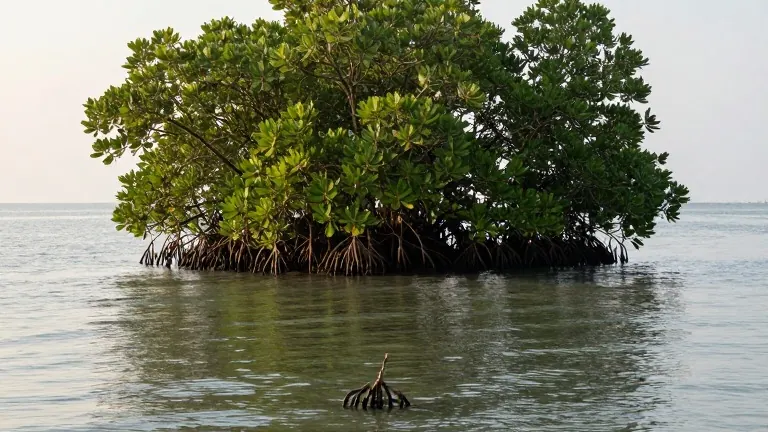
A 15-acre spoil island in the northern reach of Biscayne Bay is facing an imminent threat to its wildlife population due to popular tourist tours.
The island, known locally as Raccoon Island, was formed from dredged sediment in the 1970s and has served as a habitat for approximately 40 raccoons. Tour operators charge between $90 and $500 for excursions that allow visitors to hand-feed the animals. Miami-Dade County prohibits mooring to public shores, making boat tours the primary method of access for tourists who wish to visit the site.
Angely Bernard of SoFlo Water Adventures LLC operates one of the few tours to the island. The company offers three-hour trips that include a kayaking segment through mangrove forests. The tour concludes with a walk to a specific area where the raccoons are concentrated. Bernard notes that the island was previously known as Beercan Island due to litter left by beachgoers, but the name changed as the raccoon population became the main attraction.
William H. Kern, a biologist and professor, states that hand-feeding wild raccoons is illegal under current regulations. He explains that the practice carries a $100 fine for a first offense. Kern argues that the danger extends beyond legal penalties to the physical health of the colony. When large groups of raccoons gather to eat food provided by humans, the density of the population increases. This clustering creates ideal conditions for the rapid spread of diseases such as rabies, distemper, and other parasites.
Kern warns that any introduced disease could wipe out the entire population quickly because of the unnatural concentration of animals. A second risk involves behavioral changes. Raccoons that are fed by people lose their natural fear of humans. As they become accustomed to receiving food, they may become aggressive toward visitors who do not provide treats. Kern states that if a raccoon bites a human and is not immediately killed and tested, the Florida Fish and Wildlife Conservation Commission may be required to trap, euthanize, and test every raccoon on the island.
Tour guides report that no bites have occurred to date, despite the number of visitors who flock to the site. The animals are often found lounging in tree limbs or moving through the underbrush. Visitors are given slices of honeydew melon to offer to the raccoons. The animals inspect the food before eating it and will discard pieces that have gathered sand or debris. Bernard notes that the raccoons come out on their own schedule, often taking time to appear after the tour group arrives on the island.
The island is located a short distance from the Florida International University campus. The route to the raccoon habitat winds through a shallow creek and dense mangrove branches. Wildlife experts emphasize that the current stability of the colony depends on the absence of a single incident. One aggressive interaction or a single case of disease could prompt government-led action to manage the population.