Louisiana laws force high school NIL deals to show their work
New regulations require agent registration and parental consent, aiming to shield minor athletes from predatory contracts as the market expands.
By Liam O'Connor ·
Louisiana lawmakers enacted new rules this year to regulate how high school athletes earn money through name, image, and likeness deals. The legislation took effect in August and introduces specific safeguards for student-athletes in grades K through 12. State Senator Patrick Connick, a Republican who sponsored the measures, stated that the primary goal is to prevent agents from taking advantage of young players and their families.
The new statutes require any agent representing a student-athlete in the state to register with the Louisiana Attorney General’s office. These representatives must also complete training and pass background checks before they can sign deals. Connick noted that some individuals approaching students lack formal qualifications or expertise in the business side of sports.
Another provision mandates that a parent or guardian must give consent for a minor to sign an NIL contract. The laws also restrict the types of products minors can endorse. Student-athletes cannot profit from marketing deals involving drugs, alcohol, tobacco, gambling, or weapons. Connick described the purpose as protecting kids who have the potential to earn substantial income at a young age.
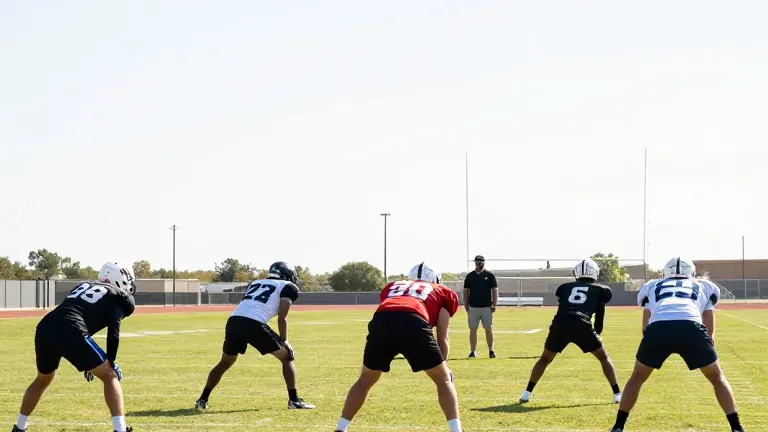
Easton Royal, a 17-year-old wide receiver at Brother Martin High School in New Orleans, is navigating this new legal environment. Scouts rank him as the number one high school wide receiver in the nation. He is committed to the University of Texas but faces ongoing speculation about potentially playing for LSU. Royal said he is receiving NIL offers that could significantly help his family.
Royal, whose mother works three jobs, explained that the money would allow her to work fewer hours. “It would mean a lot because my mom, she’s right now a single mother with three boys,” Royal said. He added that the financial support would help her stop working so many overnight shifts.
Mark Bonis, Brother Martin’s head football coach since 2009, supports the right for athletes to monetize their likeness. He distinguished NIL deals from pay-to-play, stating that the player should reap the benefits if others capitalize on their name. “Personally, I think it’s a great deal,” Bonis said. He emphasized that Royal’s work ethic sets a standard for the program.
John “J.T.” Curtis Jr., the winningest high school football coach in Louisiana history, expressed concern about the rapid influx of money into scholastic sports. Curtis said he has coached for 57 years and has never seen such changes. He warned that some agents are taking between 20% and 25% of a person’s NIL contract, a rate higher than the 3% to 5% typical in professional leagues.
As of November 2026, approximately three dozen states allow high school athletes to make such deals, while others prohibit compensation entirely. This patchwork of laws has led some families to move states to take advantage of more permissive rules.